
Protein is a vital nutrient crucial for muscle development, tissue repair, immune support, and the maintenance of healthy skin, hair, and nails. Despite common belief, many individuals may not consume sufficient protein, particularly those who frequently miss meals, rely heavily on refined carbohydrates, or adhere to restrictive diets. Recognizing early indicators of protein deficiency enables timely dietary adjustments, preventing adverse effects on overall health.
Signs of inadequate protein intake include persistent hunger and frequent cravings. If you’re often hungry shortly after meals or find yourself snacking excessively, your diet might lack adequate protein. Protein aids in prolonging satiety by slowing digestion and regulating appetite-related hormones. Additionally, a gradual decline in strength can occur due to insufficient protein, as it is integral to maintaining muscle mass, causing everyday tasks to become more challenging.
Chronic fatigue, even after adequate sleep, might be a result of low protein levels, as protein provides essential amino acids for enzyme and hormone production involved in energy creation. Changes in hair, skin, and nails can also signal protein deficiency. Without enough protein, the production of keratin and collagen is affected, leading to increased hair shedding, brittle nails, and dry or dull skin. Furthermore, a slower recovery rate post-exercise or illness could indicate the need for more protein, as it supports tissue repair and recovery.
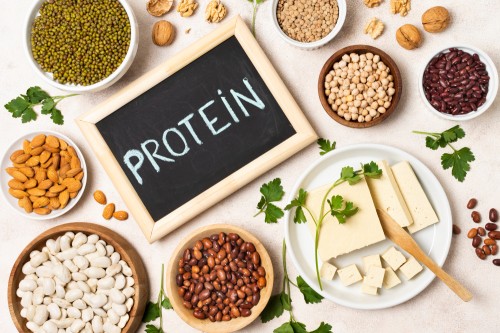
Another potential symptom of low protein intake is swelling in the feet or ankles due to mild fluid retention. Persistent swelling should be assessed by a healthcare professional. Additionally, frequent infections might suggest an impaired immune system, as protein is vital for producing antibodies necessary to combat illnesses. To boost protein intake, incorporating quality protein sources in each meal is beneficial. Foods rich in protein include eggs, dairy products like milk and yoghurt, fish, lean poultry, soy products such as tofu, lentils, beans, chickpeas, nuts, and seeds. Pairing protein with fiber-rich vegetables and healthy fats can enhance satiety and promote balanced nutrition.
For individuals with greater protein needs, such as athletes, older adults, busy professionals, or those recovering from illness or surgery, protein supplements may be beneficial under medical guidance. Whey protein is a popular choice, whereas plant-based protein blends, derived from pea and rice protein, cater to vegetarians and those avoiding dairy. By making small adjustments to daily eating habits, individuals can significantly improve their energy levels, muscle health, recovery, and overall well-being through balanced, protein-rich meals.