
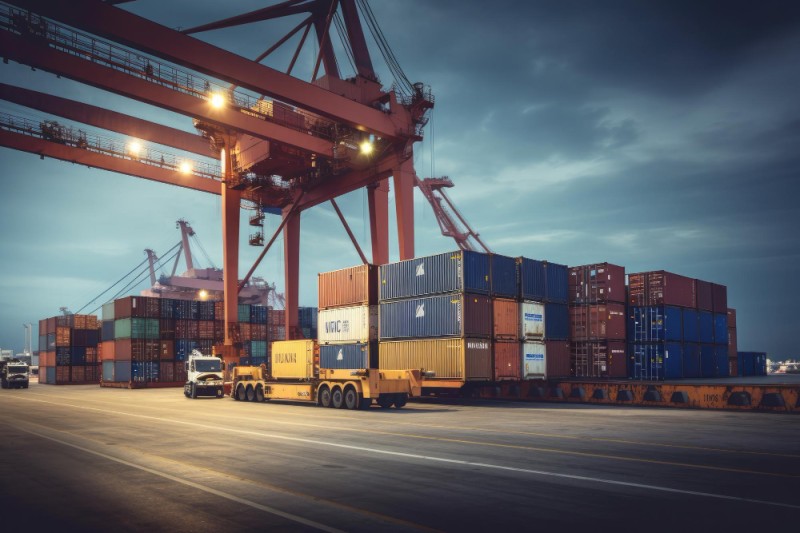
Sharjah has unveiled a new integrated logistics corridor with Oman, drastically cutting cargo transit times from almost three months to just 35 days. This initiative aims to enhance supply chain efficiency, reduce transportation costs, and fortify trade connections between the UAE, Oman, and broader regional markets. The corridor links Sharjah to Oman’s key ports, such as Sohar, Duqm, and Salalah, via the Khatmat Malaha and Al Madam border crossings. Authorities anticipate further reductions in transit times as operations progress.
To incentivize the use of this corridor, Sharjah has introduced toll exemptions for cargo trucks on approved routes from Oman. The initiative also features expedited customs clearance and streamlined cargo handling, allowing businesses to finalize customs procedures at inland container terminals rather than immediately at the border. Officials project that logistics expenses could decrease by approximately 15%, contingent on the type of cargo and transportation needs. This development is poised to benefit manufacturers significantly by speeding up the movement of both raw materials and finished products.
The project is a key component of Sharjah’s strategy to solidify its status as a regional logistics and manufacturing hub. With over 3,000 factories contributing about a quarter of the emirate’s GDP, the enhanced trade route is expected to boost export activities and attract international investors looking to tap into markets across Africa, India, and Asia. The corridor, which became operational on May 14, facilitates bi-directional cargo movement, supported by coordinated customs procedures, real-time data exchange, and dedicated fast-track shipment lanes.
The operational corridor not only streamlines cargo transit but also bolsters Sharjah’s economic ambitions by potentially increasing its export volumes and appeal to foreign investors. As the emirate positions itself as a pivotal hub in regional trade, these developments are seen as crucial steps toward expanding its economic footprint and enhancing trade efficiency across the region.