
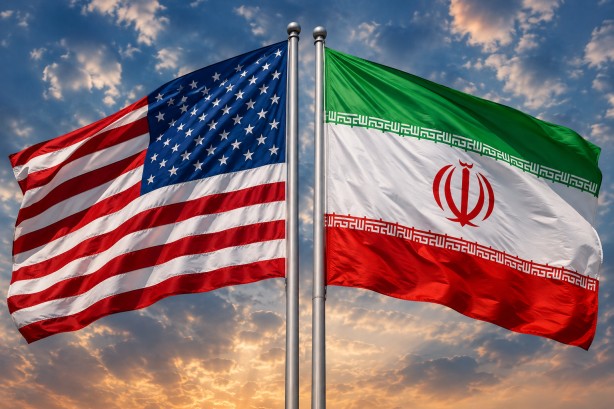
The United States has intensified military actions against Iran by executing a second wave of airstrikes on various strategic locations. This escalation follows President Donald Trump’s announcement that efforts to uphold an interim agreement between the two nations have ended. The U.S. military confirmed targeting sites associated with Iran’s capability to disrupt maritime security in the Strait of Hormuz. Meanwhile, Iranian media reported explosions in the regions of Bandar Abbas, Sirik, and Bushehr province.
This military move comes on the heels of an attack on Tuesday involving three commercial vessels in the Strait of Hormuz, a critical incident that has significantly heightened tensions between Washington and Tehran. In a strategic response, the United States has also rescinded a temporary sanctions waiver previously allowing Iran to continue its oil exports. President Trump emphasized that these airstrikes were a direct response to the commercial shipping attacks and warned Iran of more severe U.S. actions if further provocations occur.
In retaliation, Iran launched its own offensive, deploying missiles and drones against U.S. military installations in the Gulf region, specifically targeting areas in Bahrain and Kuwait. The Kuwaiti military reported successfully intercepting incoming aerial threats, and there were no immediate accounts of major damage from these attacks. Iranian officials assured that the strikes on Bushehr province did not affect the nuclear power plant located there and remained steadfast in their stance, asserting that external pressure and military actions will not alter their position.
The escalation of conflict between the United States and Iran has prompted concerns over the stability of global energy markets. The Strait of Hormuz, being one of the world’s most vital oil shipping lanes, has seen oil prices surge amidst fears of further instability and potential disruptions in energy supply. As the situation unfolds, the international community watches closely, apprehensive about the wider implications of this renewed hostility on global peace and economic security.