
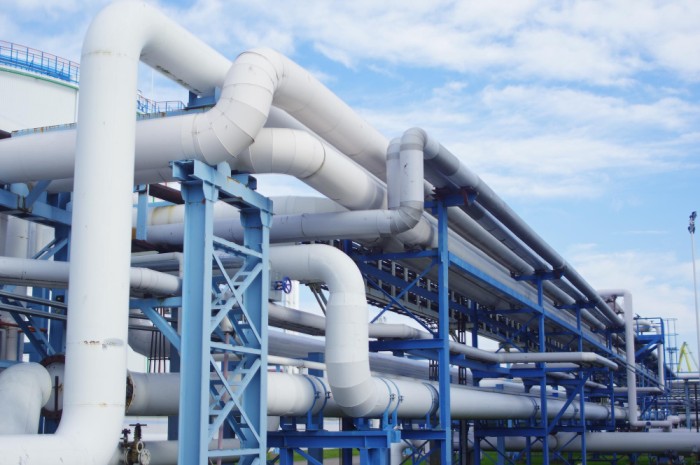
The United Arab Emirates is set to complete a new oil pipeline by next year that will bypass the strategic Strait of Hormuz, a move aimed at safeguarding its crude exports from potential disruptions. This development comes as the blockade of the crucial waterway, responsible for 20% of the world’s oil and seaborne gas traffic before the conflict with Iran, nears its 11th week. The blockade has significantly impacted global energy prices and hindered the Gulf economies.
Sheikh Khaled bin Mohamed bin Zayed Al Nahyan, Abu Dhabi’s crown prince, has instructed the state oil company to expedite this previously unannounced project. The pipeline is intended to transport oil from the UAE to the port of Fujairah by 2027, effectively increasing the UAE’s oil export capacity. This new infrastructure will complement the current Habshan-Fujairah pipeline, which has a capacity of up to 1.8 million barrels a day and has been vital for the UAE in maintaining oil exports since Iran began blocking tankers through the Strait of Hormuz following military actions by the US and Israel on February 28.
The UAE and Saudi Arabia are the only Gulf nations with pipelines capable of exporting crude oil without traversing the narrow channel between Iranian and Omani territories. The decision to accelerate the construction of a second pipeline coincides with the UAE’s recent withdrawal from OPEC after 60 years, highlighting emerging rifts with Saudi Arabia, the cartel’s de facto leader. This departure allows the UAE, OPEC’s third-largest oil producer, to potentially increase oil production beyond the group’s future quotas once the conflict is resolved and normal shipping through the strait resumes.
By constructing a new pipeline, the UAE positions itself to enhance oil exports even if the conflict persists or if a peace agreement falls short of restoring tanker traffic to pre-crisis levels. The exact capacity of this new pipeline remains undisclosed, but should it double the current capacity to 3.6 million barrels per day, the UAE’s export capability would more closely align with Saudi Arabia’s, which can transport approximately 7 million barrels per day from its eastern fields to the Red Sea port of Yanbu, with 5 million barrels earmarked for export.
The UAE’s strategic move underscores the ongoing tensions with Saudi Arabia, which generally prefers maintaining strict production quotas to bolster oil prices for its economic goals. This development not only highlights the UAE’s intent to secure its energy export routes but also signals a significant shift in the region’s oil dynamics amidst ongoing geopolitical challenges.